Like most families, Ian and Vanessa enjoy travelling together. Since retiring in 2019 we started this blog to allow people to follow our journeys. Hopefully you find the locations we visit of interest.
Author: Ian Bateson
Retired at the end of April 2019 and planning all those trips we never had time to do before.
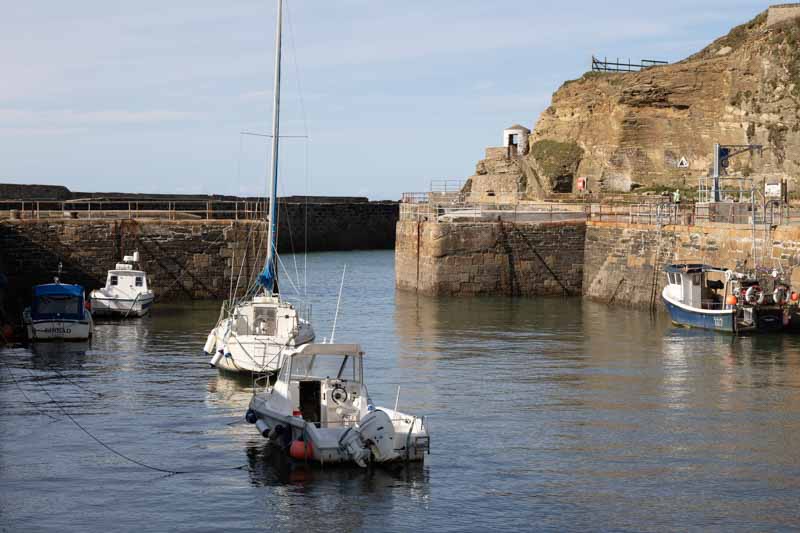
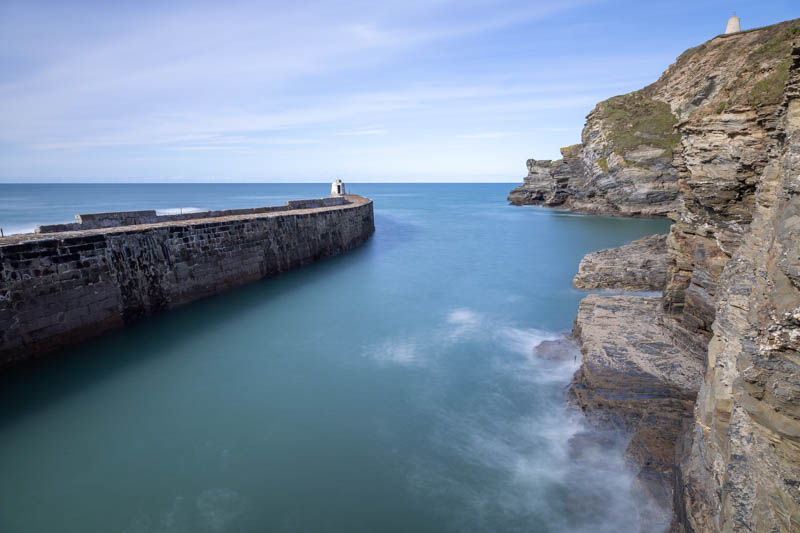
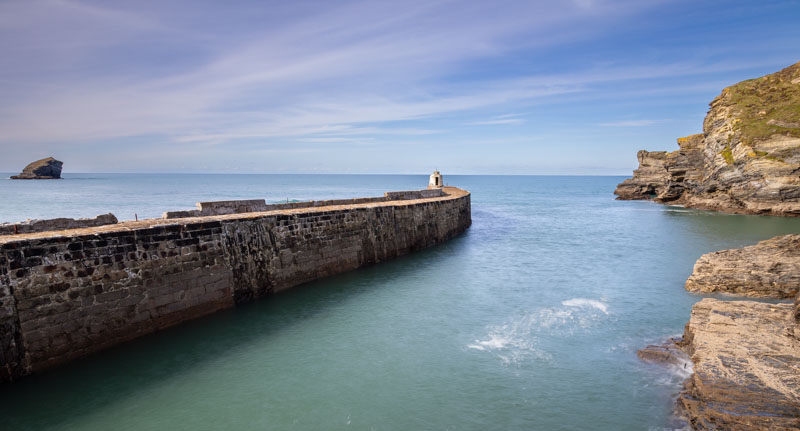
Well after a great week with the grand children we’ve been left behind as they headed home after lunch. So we headed out with the cameras again to the little port of Portreath.
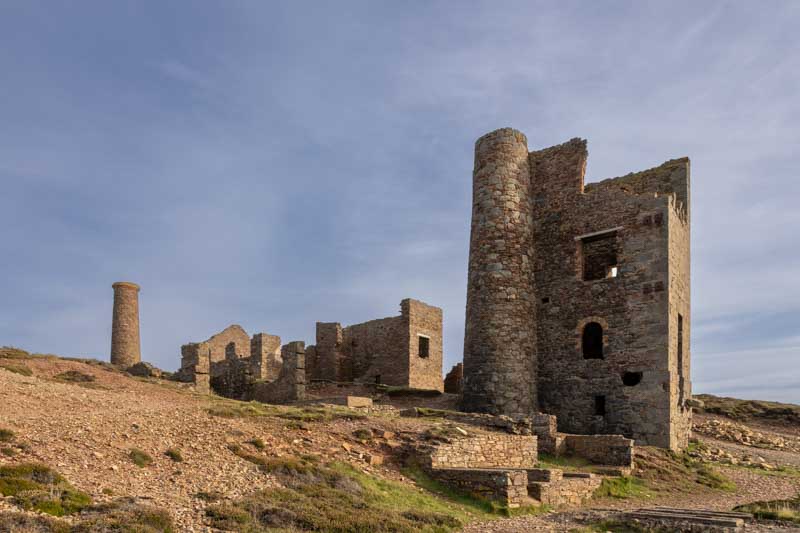
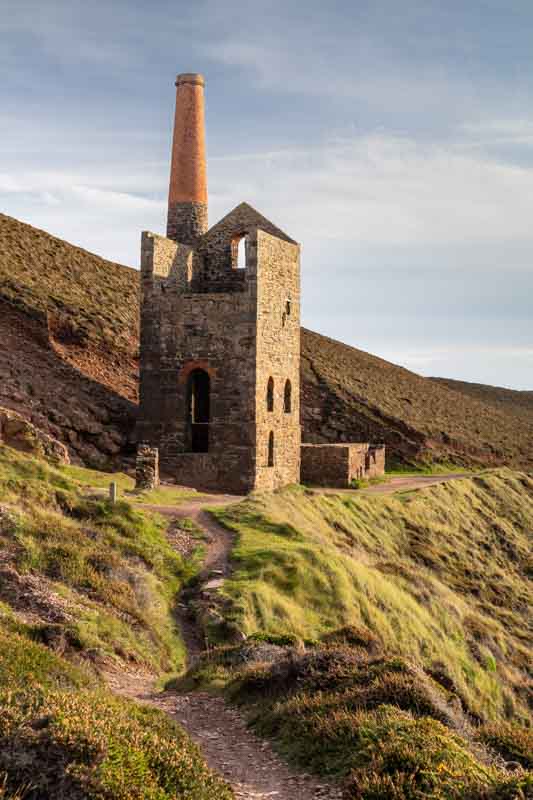
After a coffee and a cake we headed off to a derelict tin mine at Wheal Coates which was bathed in some lovely late evening sunshine.
Unfortunately our final destination was scuppered by the clouds – so we cancelled the trip back to the Bedruthan Steps and headed back to the motorhome to start packing up for our return home tomorrow.
We are hoping to get to Pembrokeshire later in November for some coast photography.
Firstly this isn’t one of our usual motorhome photographic adventures. We are now down in the Newquay area with our son, daughter-in-law and two grandchildren. But we did manage to venture out for a few days before they joined us.
We travelled down on Wednesday arriving late afternoon at the holiday camp. This one has some all inclusive on-site activities which will help keep the grandchildren amused.
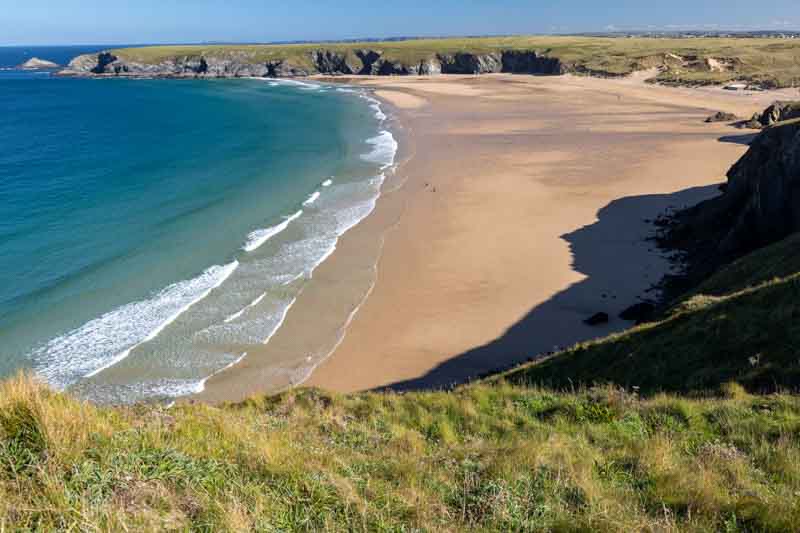
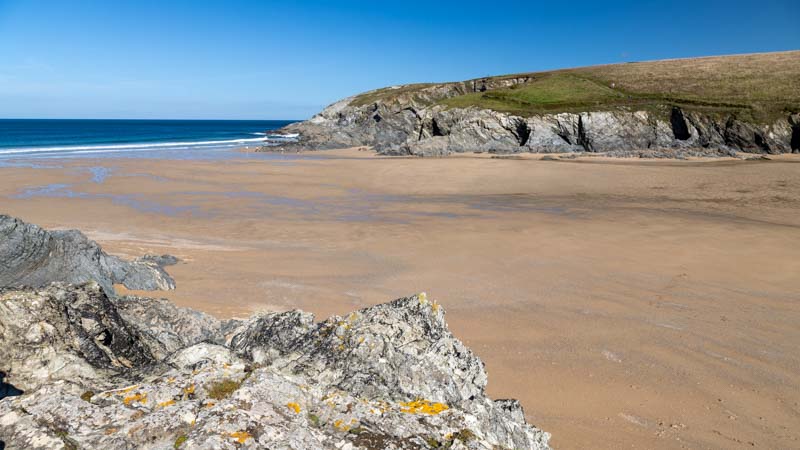
On Thursday we headed off to the beach at Holywell Bay which was a few miles west of Newquay. Starting from the National Trust car park which, lucky for us was free to members, we headed off up the cliff path to the west of the beach.
The view of the beach was spectacular….
We quite liked the face in the shadow on the beach. Heading back we thought it might be worth a trek over the cliffs on the opposite end of the beach.
On route we tried a bit of bird spotting as Vanessa had her long lens ready, but this was the best I could manage with my little Sony DSC-HX99.
Unfortunately, due to a missing footpath sign I took a wrong turn which led us into the dunes. About 20 minutes later we managed to get back onto the path.
Photo opportunities weren’t as good from this side, so we headed over the peninsula to the next beach – not really the right conditions here either.
We headed back to the car (the short way) – unfortunately the conditions weren’t ideal for hiking with overgrown paths with either brambles or long grass.
After 2 hours we finally made it back to the bar near the car park. We stopped for a pint and shared some loaded nachos.
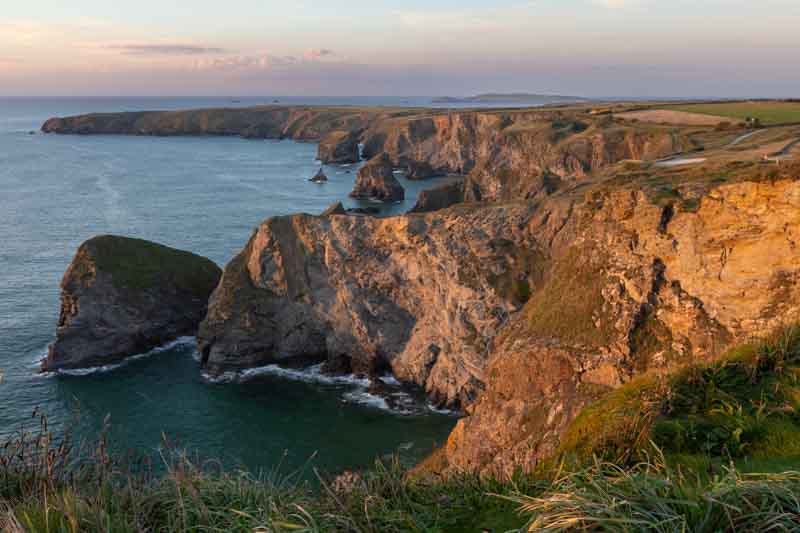
The plan for the rest of the day was to end up at the Bedruthan Steps for a sunset photo. That was still 5 hours away, so we headed north-east past this location to Boscastle. The idea was good, but the sun was reflecting off the sea and we couldn’t find a good vantage point. There weren’t enough clouds to give us any shade either. Never mind, we’ll try it again in the future. I’ll miss out the wasted trip to Tintagel Castle (as it was closed), so we headed back to the Bedruthan Steps for the 1930 sunset!
Unfortunately this was the only reasonable photo with the direct light on the subject. Some idiot got the sunset time wrong – by at least 30 minutes! So when we moved down for the next shot of the rock – the light had virtually gone. I won’t make that mistake again.
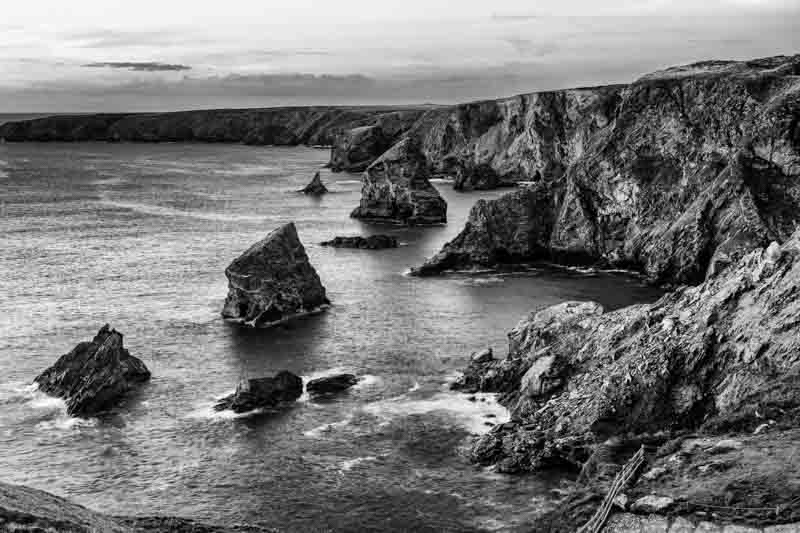
But there’s always an opportunity to try black & white.
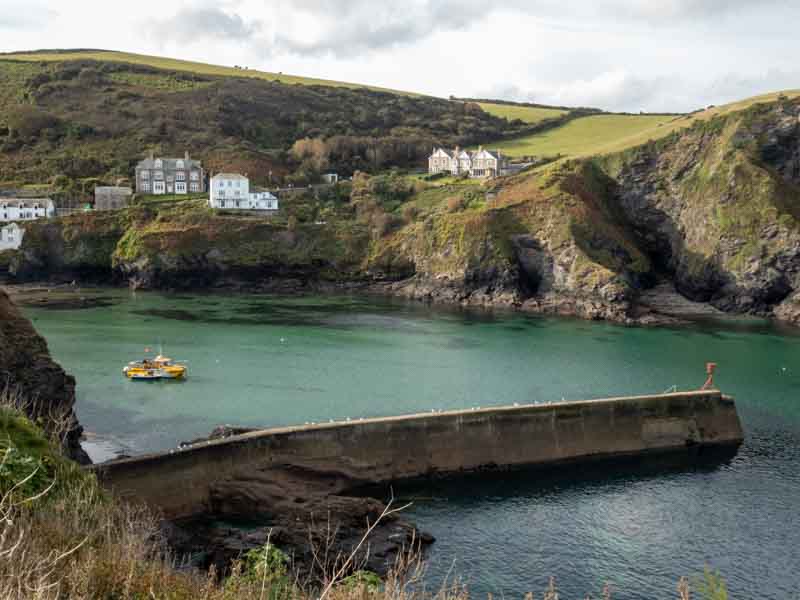
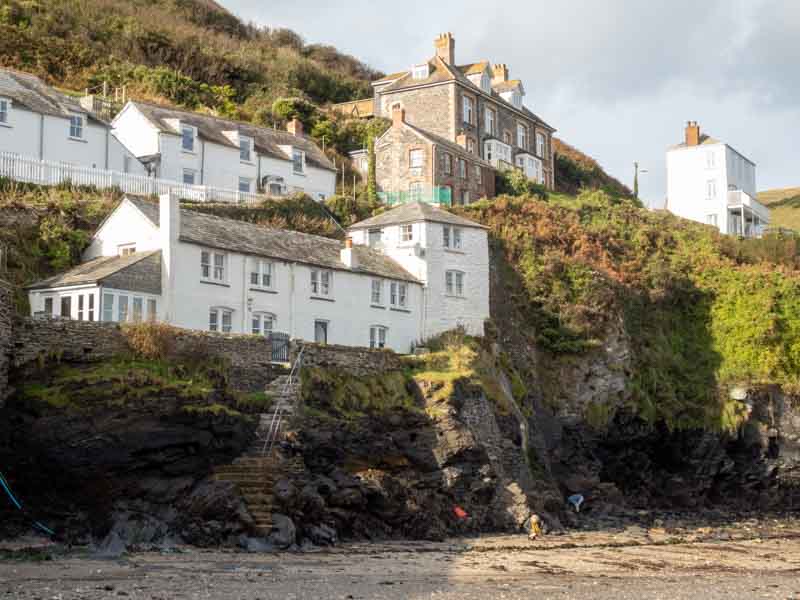
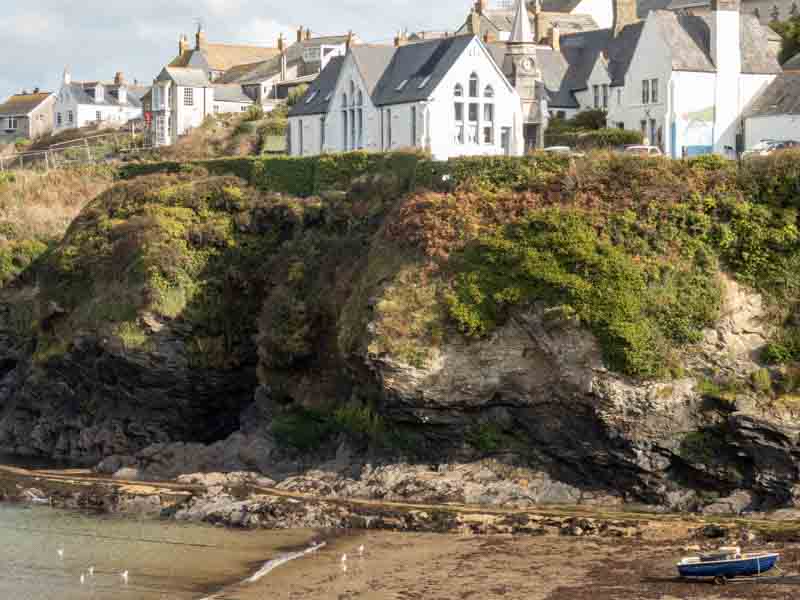
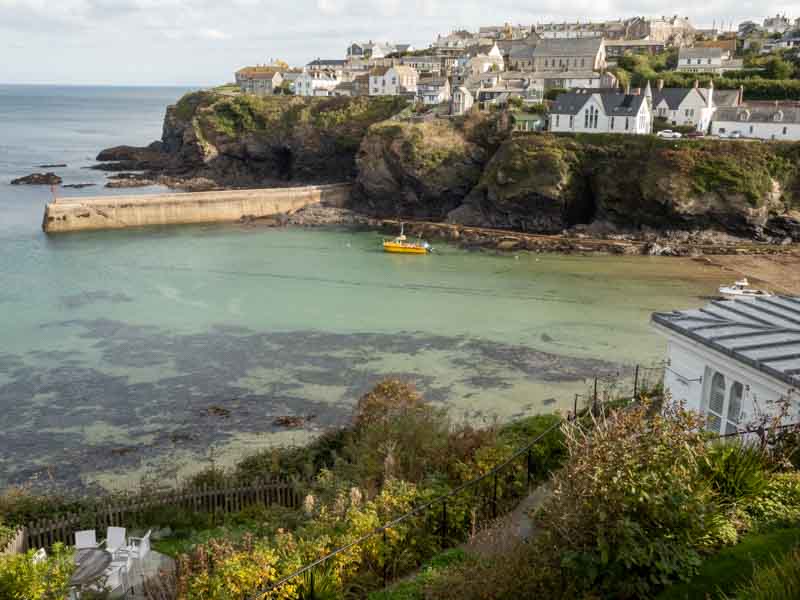
Friday, the family were arriving after lunch, so we headed off to Port Isaac, or Port Winn (as it’s known in the Doc Martin series). We arrived around 10 am in a near empty car park and walked around the headland into the town.
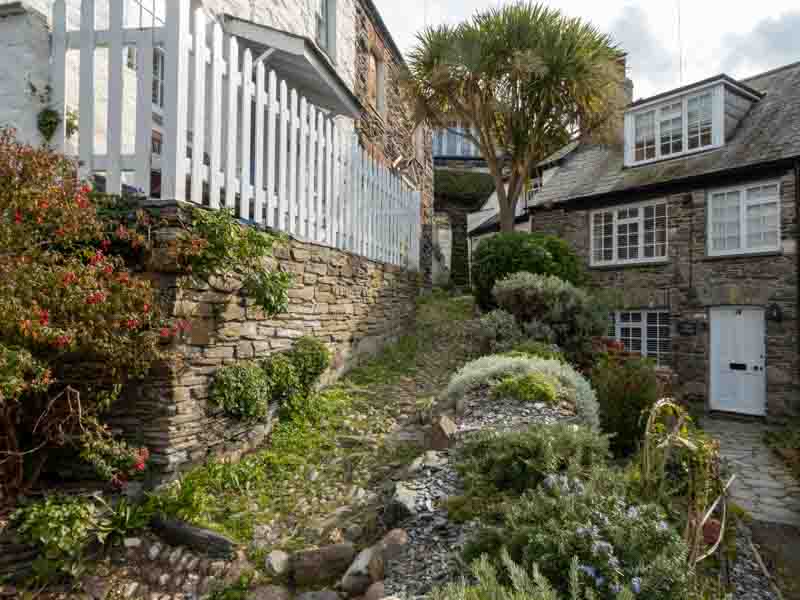
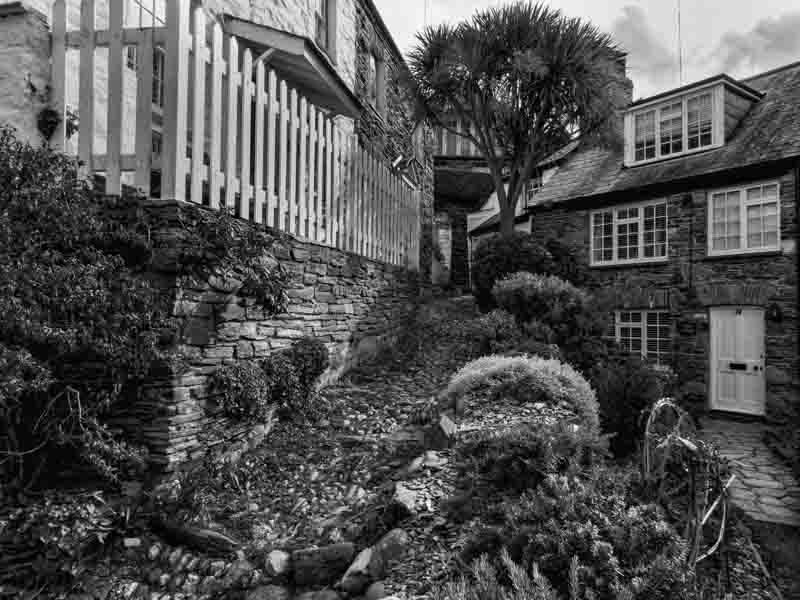
This is a very interesting little town (even if you haven’t seen the TV program). However, it is very hilly, so be warned. We wandered around many little alleys and narrow lanes taking several photos. The following photo I quite liked, but maybe it’s better in black & white…
We will return another day and take in the local tour of the Doc Martin filming locations.
After buying some cornish pasties, crab, cockles and fudge we headed back to the car via a cafe. Note; at 12 O’clock when we returned to the car park it was nearly full. So arrive earlier if you visit this little port.
Then back to the motorhome to meet up with the rest of the family.
We had one last booking at 11:30 to see ‘The Book of Kells’ – well if we’re honest, we weren’t really interested in this book, but you have to go past this exhibition to see the ‘Old Library’ which was our point of interest.
The Book of Kells is written circa 800AD on vellum pages, historically a type of material made from prepared animal skin (for vellum it was usually calfskin) and used for many of the finer high-quality medieval manuscripts. It was done by three anonymous scribes, who are identified in the present day only as Hand A, Hand B, and Hand C. More on this topic here if you are interested.
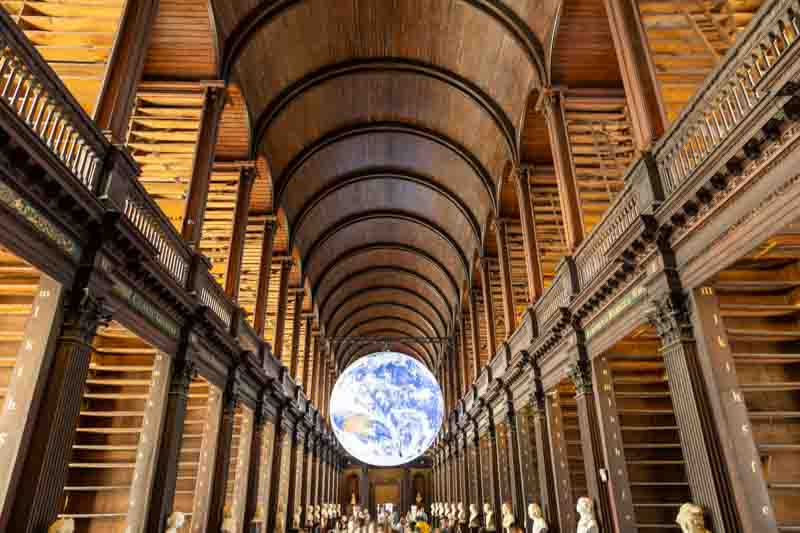
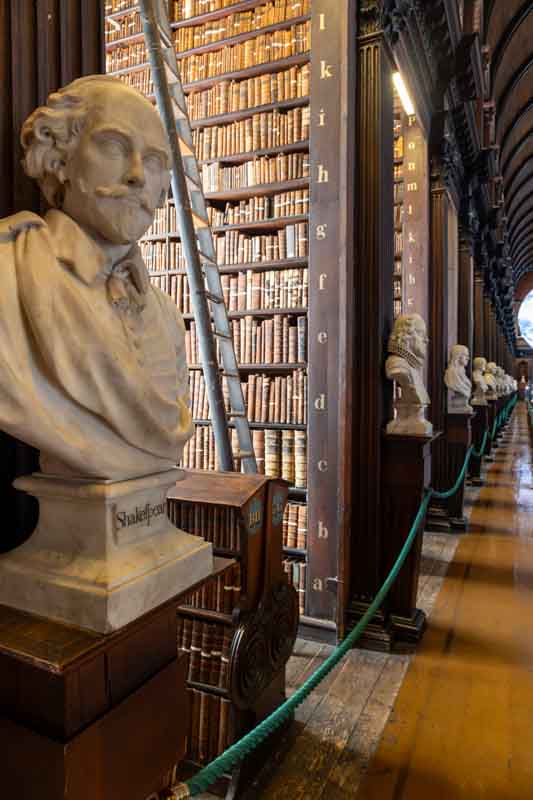
Unfortunately when we got to the library we discovered that virtually all the books had been removed for cleaning as they were going to restore the library. Being made of wooden panels it is potentially a high fire risk, so the work will also photocopy every book for future posterity. The hall was full of people but I did manage to grab a few shots:-
Yes, the hall does have a huge globe in it and a very old harp (symbol of Ireland) which was covered in engraved leather.
Leaving the exhibition, we still had time on the Hop-on, Hop-off bus, so we toured more of the city. Eventually getting off near the ‘Christ Church Cathedral’
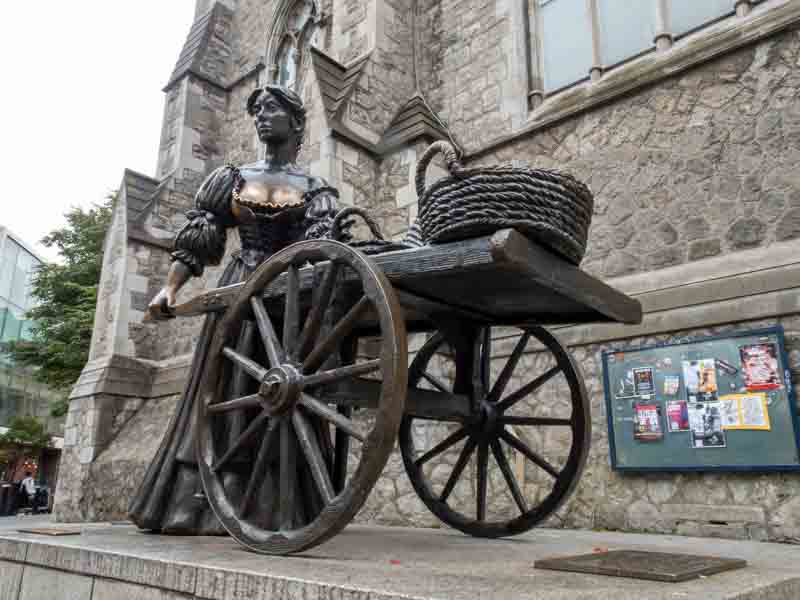
Back behind Temple Bar near the Bank of Ireland was the Molly Malone Statue which tourists have started to rub her breasts for luck. So we had to be patient to get a photo with no-one molesting her.
The shiny breasts of Molly Malone
After this we headed back to Temple Bar for the ‘Old Mill Restaurant’ for a meal. The atmosphere was far more sedate as their was no live band, but the food was plentiful and brilliant – highly recommended (if you’re very hungry). I didn’t have a Guinness as we saved this for another visit to the St John Gogarty afterwards and another very entertaining evening.
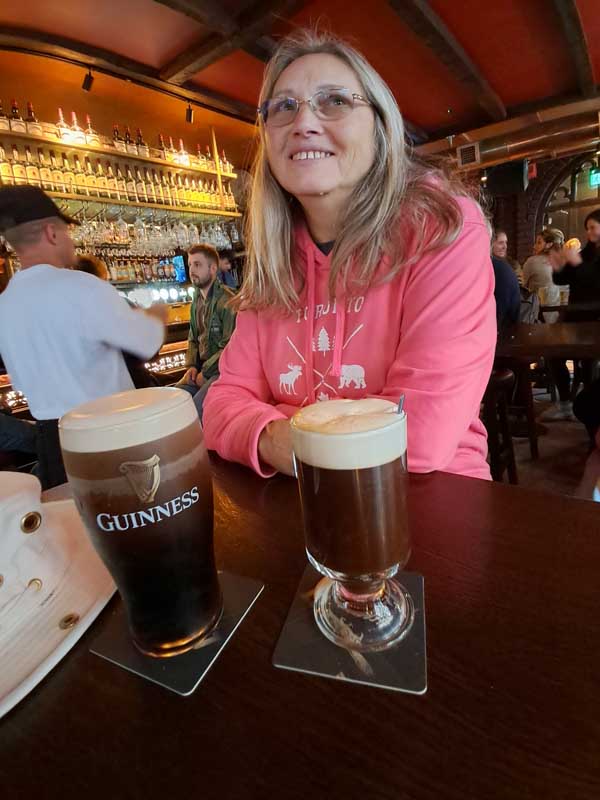
No, Vanessa wasn’t drinking half of Guinness – it was an alcohol free cream coffee. I didn’t mess around – straight for the good stuff.
We still had most of tomorrow left as we didn’t need to leave for the airport until 3pm, but to be honest, we had covered everything we planned. So on Sunday, we revisited a few locations again – including the Auld Dubliner for one last drink.
We caught the ‘Airbus’ to the airport, costing 10 Euro each and thereby completing our trip. As we mentioned before, in hindsight if we did the same trip again, we would have done 3 nights in Belfast and 2 in Dublin. But overall a very good week.
We had a booking at the Kilmainham Gaol for 0930 but needed to arrive at 0915, so the night before I asked the hotel concierge how we paid for the tram and bus in the city – credit card was the answer, but later we found out this wasn’t the case.
We left the hotel and had breakfast in a cafe and then stepped onto the bus and presented my credit card – NO! we had to use cash – in fact, coins only!!! Fortunately the bus was every 10 minutes, so we just had time to get cash. We only had cards and shops wouldn’t give us cash, so I was pointed in the direction of an ATM. After 5 minutes of trying to get money from it, it finally reported it was out of cash and then Out of Order!
Vanessa had spotted a Taxi, so we hopped in and the driver asked how we were paying – card we replied. Unfortunately his card machine wasn’t working, so it had to be cash only, so the day wasn’t starting well. Can you take us via another ATM then? – Yes.
The first ATM he stopped at was also empty; the second was also out of order, but 3rd time lucky I got the cash we needed and eventually arrived at the gaol in good time.
Short history lesson – reason why the gaol was so important.
The Irish rebellion began on Easter Monday, April 24, 1916 and lasted for six days and was led by the Irish Republican Brotherhood (IRB), a revolutionary society within the Irish Volunteers, along with the Irish Citizen Army. The rebels seized strategic buildings in central Dublin, including the General Post Office, which they used as their main headquarters (you can still see the bullet holes in the outer walls). The rebels used the First World War as an opportunity to strike for an Irish independence, believing that “England’s difficulty is Ireland’s opportunity”. The Easter Rising was a seminal moment in modern Irish history, helping pave the way to the nation’s independence in 1922. But the leaders were all sentenced to death by firing squad in the gaol.
Note: You must book a tour ahead of your visit as it always seems to sell out.
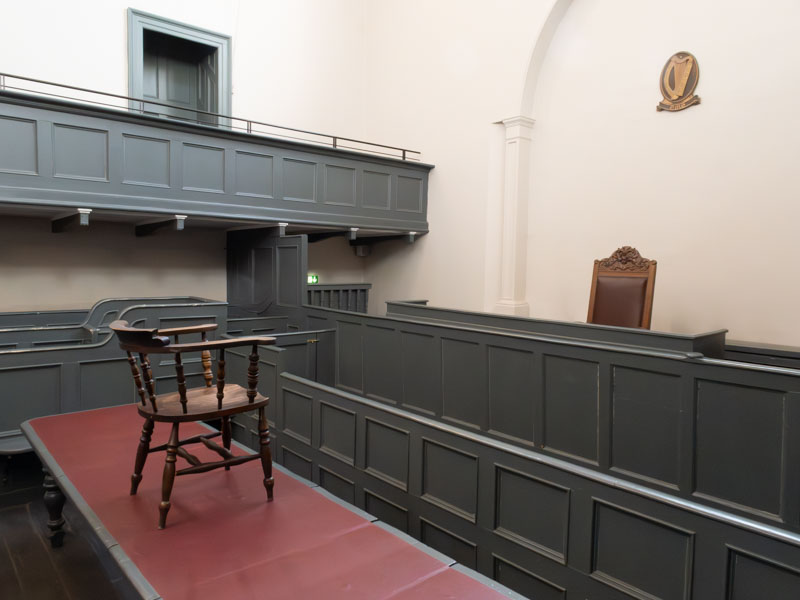
The first room you come to is the court room (which we later discovered, was always adjacent to, or inside a prison’s walls).
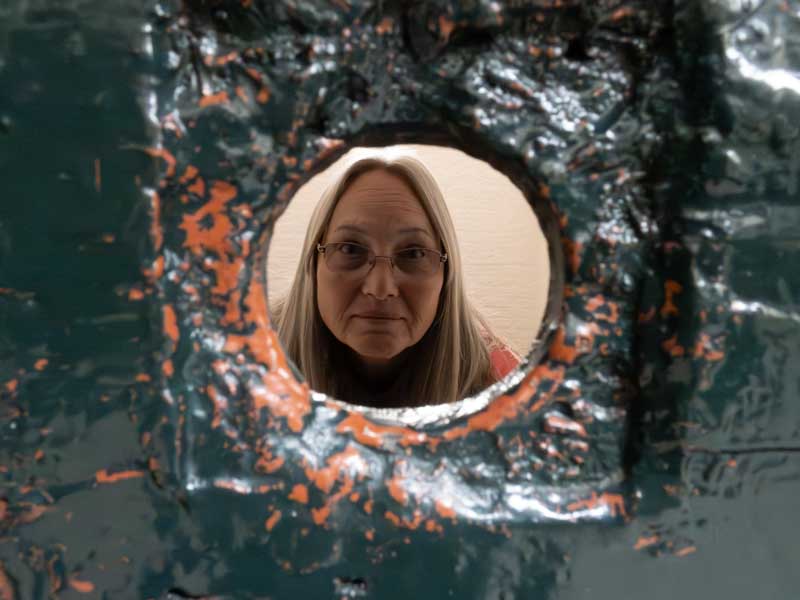
After sentencing, the prisoners were ‘taken down’ the stairs (covered here by glass) and into the prison. The culprit in the photo definitely looks guilty and should be sent down.
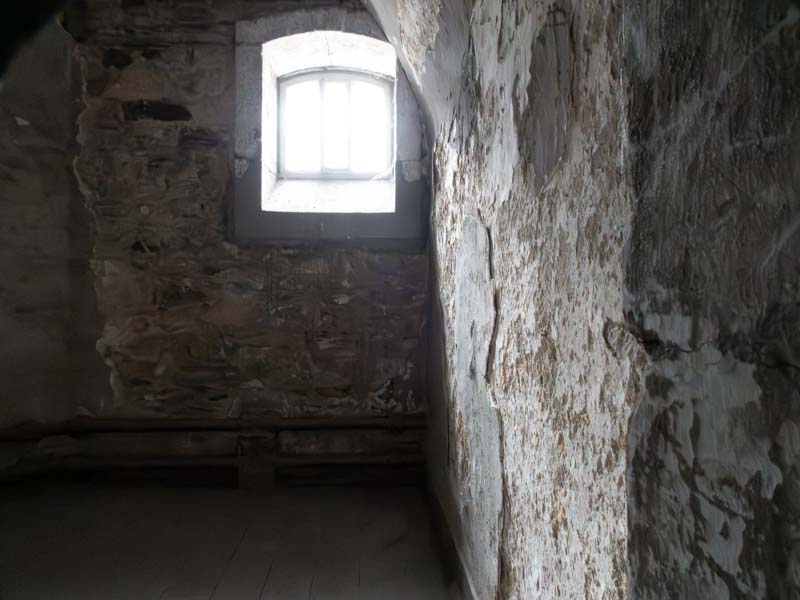
All the cells were designed to hold one person, but during the Irish famine when many people were convicted of stealing food, they held up to 3 men whilst women and children were held in the corridors just outside the cell doors.
Later the prison was modernised with a new cell block which required less prison staff to oversee the inmates.
You may recognise the central hall as it was later used in films (e.g. The first Italian Job) to raise money to help renovate the prison.
The tour goes into detail about the leaders of the Easter Uprising and covers what happened to other prisoners, including one child of 3 years old who was sent to prison for 1 week for stealing an apple (during the famine). Many prisoners were also held here awaiting transport to a penal colony – Australia.
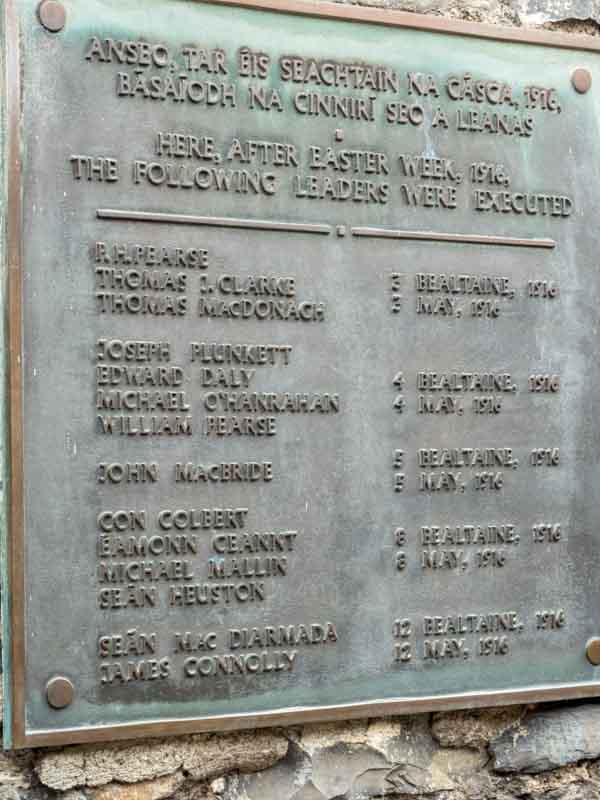
The plaque shows the names of the executed prisoners. The last name ‘James Connolly’ was badly injured and held in the Dublin Castle Hospital to keep him alive so he could be executed.
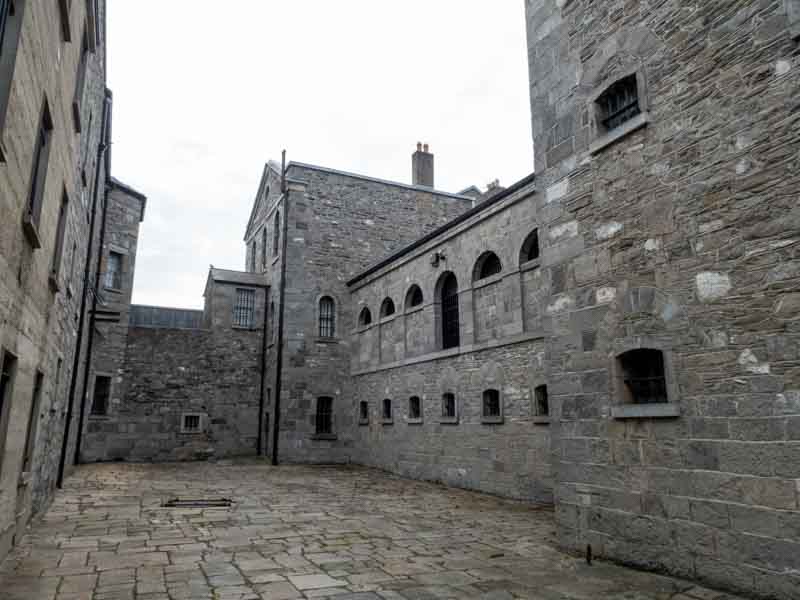
James Donnelly was brought into the yard (upper right image) through these gates and strapped to a chair where the small cross is placed and shot by firing squad.
After this we were led into the museum to see many of the artifacts relating to the history leading up to Irish independence.
Scale model of the gaol
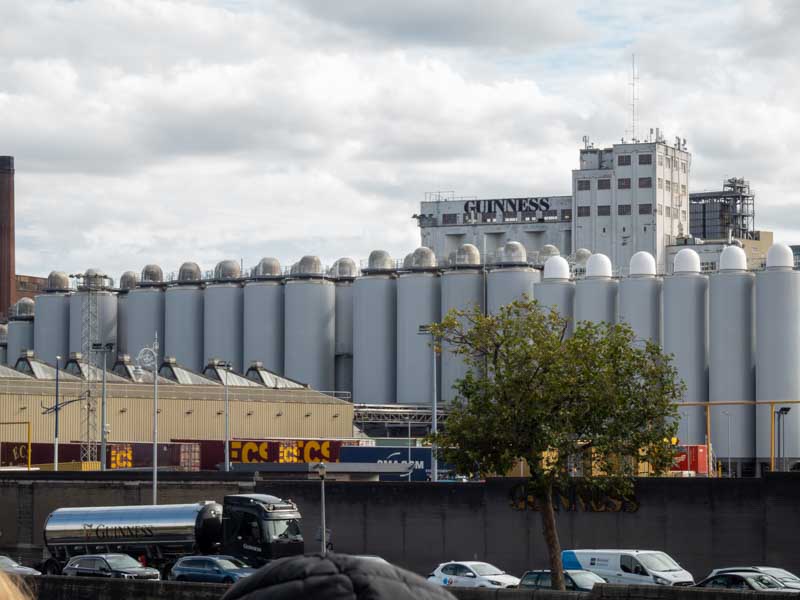
After leaving the gaol we realised we were only 20 minutes walk from the Guinness factory, so Vanessa quickly booked us tickets on her phone. The tour is self guided, taking you up to floor 7 where you can then enjoy your pint of Guinness.
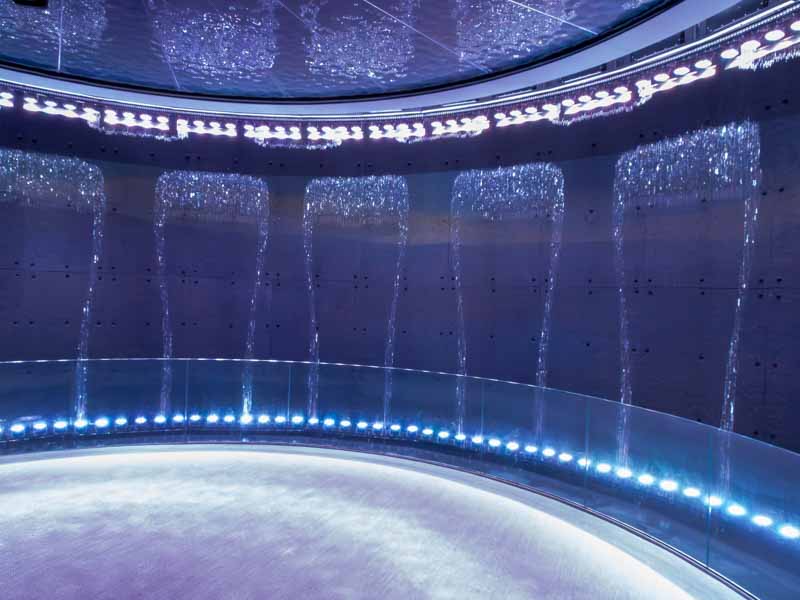
As the tour continues upwards to floor 7 the process of making Guinness is described, but you are not in the actual brewing area. It was interesting and glad we did it. However I will say the pint I had wasn’t as smooth as those we had in the various bars in Dublin, but still better than we get in the UK.
There are snack bars and restaurants inside the brewery, so we had a bite for lunch and spent a few Euros in the shop on the ground floor before leaving to get on the Hop-on Hop-off bus which as you might expect calls at the brewery.
We used the ‘City Sightseeing Dublin’ service which has an app (QR code on the paper map they provide). This keeps you up to date with bus locations and approximate time to the next stop. So it proved quite convenient to get off; wander around an area and rejoin the next bus without having to wait 30 minutes (in case you just missed one).
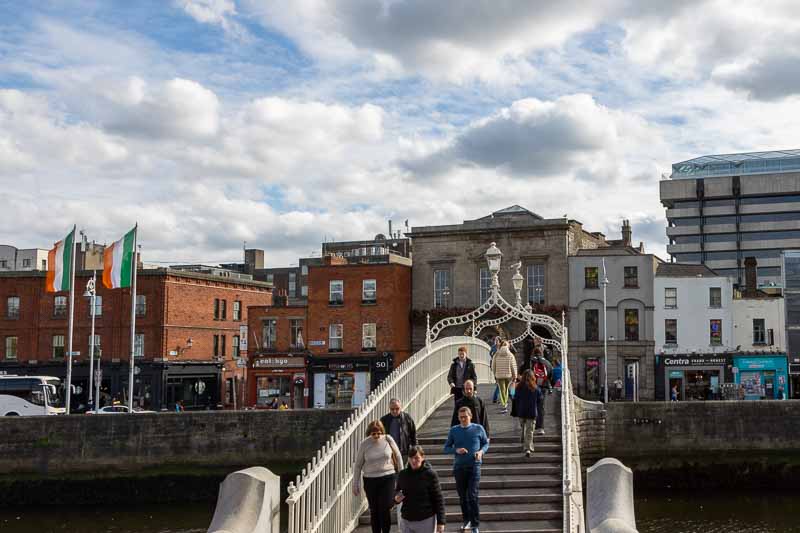
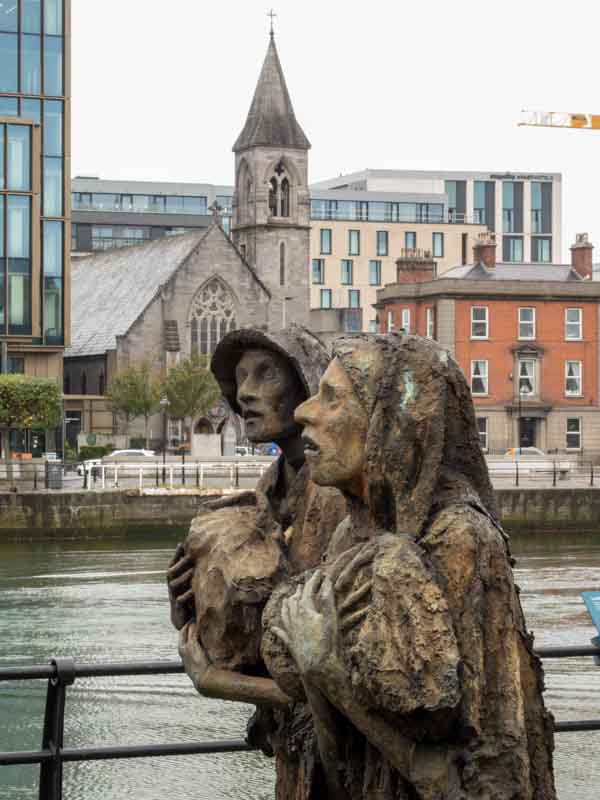
Ha’penny Bridge and the Famine Memorial along the banks of the river Liffey.
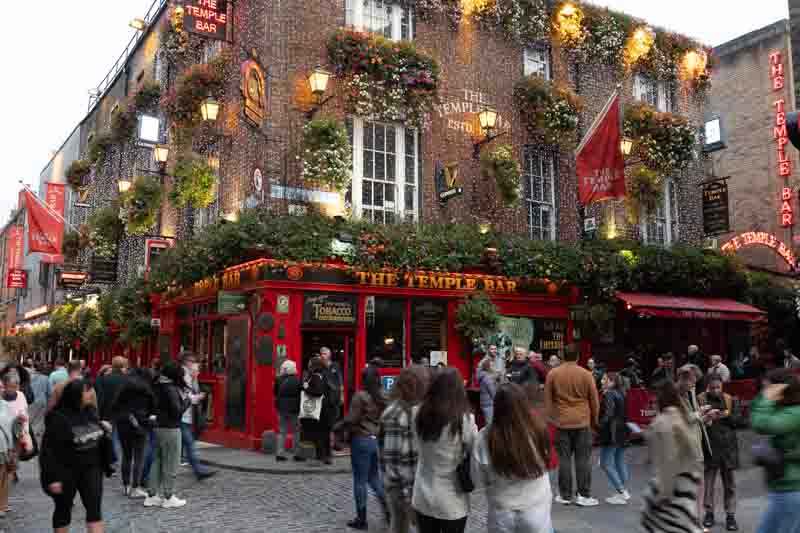
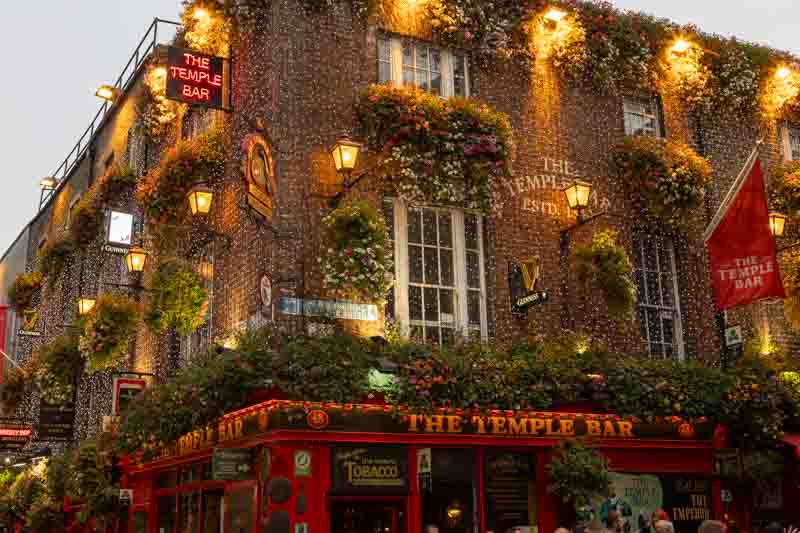
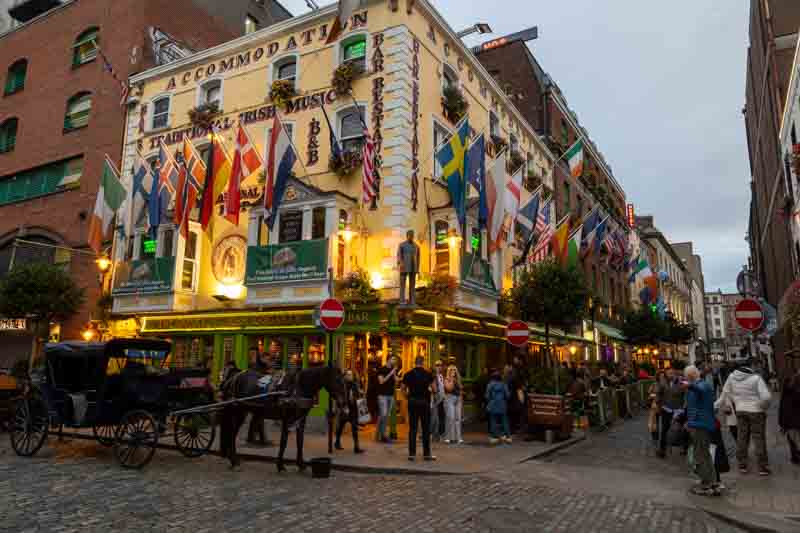
After grabbing camera and tripods again from the hotel we headed back to Temple Bar for some early evening shots of the pubs.
This time we had our evening meal in the Auld Dubliner. The meal was great but the music wasn’t to the same standard as in the bar opposite. But as there are so many different artists it’s not surprising some will be less popular. But it still made for an entertaining evening. Afterwards we nipped back into the St John Gogarty for another pint (with better artists) – the pub was full with several birthday and hen parties in progress.
Well the plan was to leave Belfast by train – until at the station when they piled us all onto coaches. Apparently the main station was closed for renovation, so we were bused 45 minutes closer to the boarder – instead of 15 minutes out of Belfast to the first station to get the same train that we eventually boarded – strange logic? Anyway we arrived in Dublin just after midday and walked 10 minutes to our hotel which was very close to the centre, near the ‘Spire of Dublin’
Luckily we were allowed to check-in early – so what do you do on the first afternoon in Dublin – simple, you head down to Temple Bar to sample a drop of the black stuff.
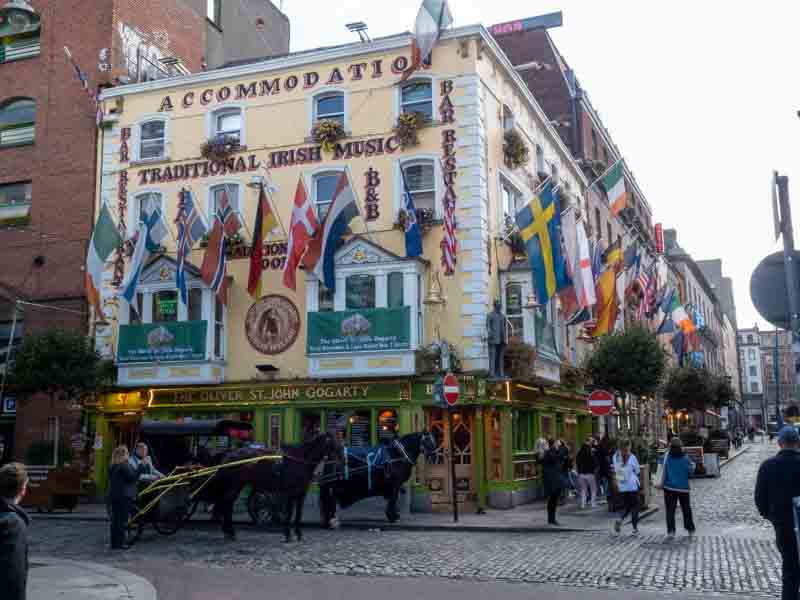
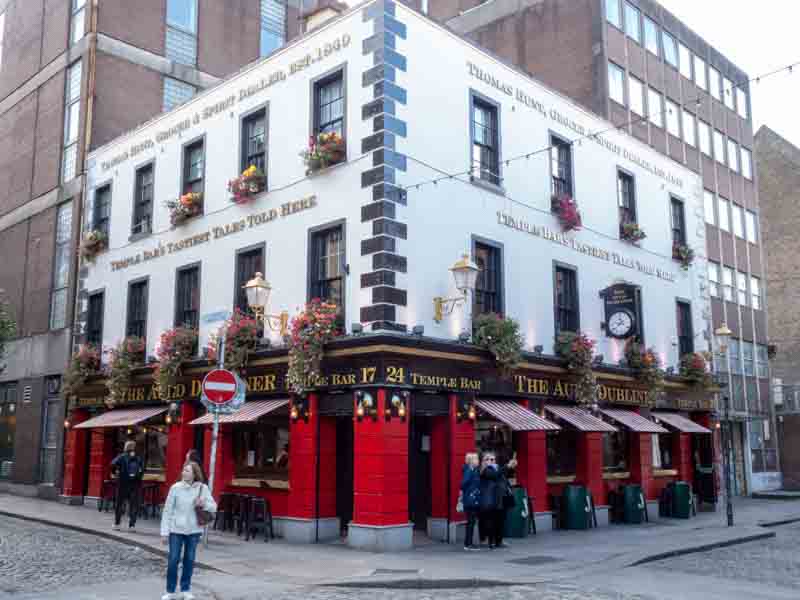
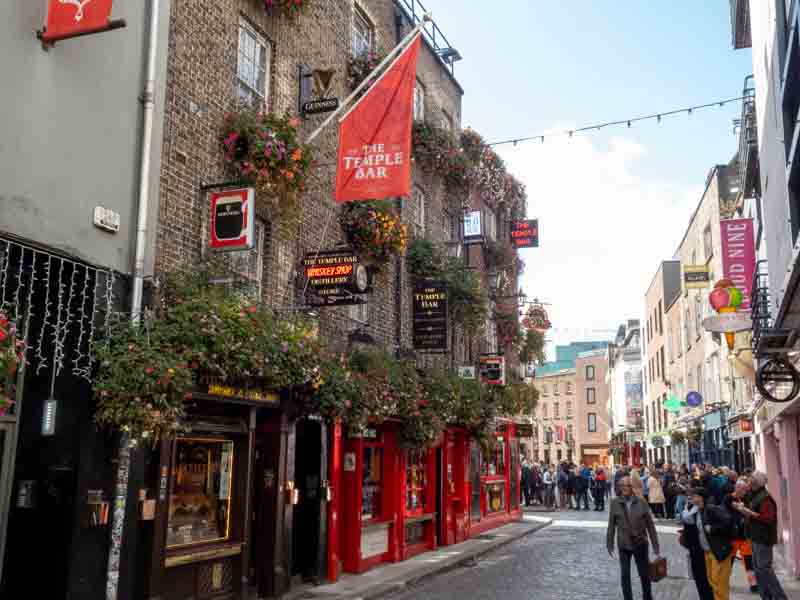
There are many pubs along Temple Bar, but in the image above there is ‘The Oliver St John Gogarty’, ‘The Auld Dubliner’ and ‘The Temple Bar’ which we frequented at various times during our trip. After our first drink we headed west towards the Dublin Castle which wasn’t very expensive to visit.
Nothing spectacular inside, but it was used as a hospital during the first world war and this was where James Connolly (of Easter Uprising fame) was brought to be treated for his wounds after he was captured. More about him later.
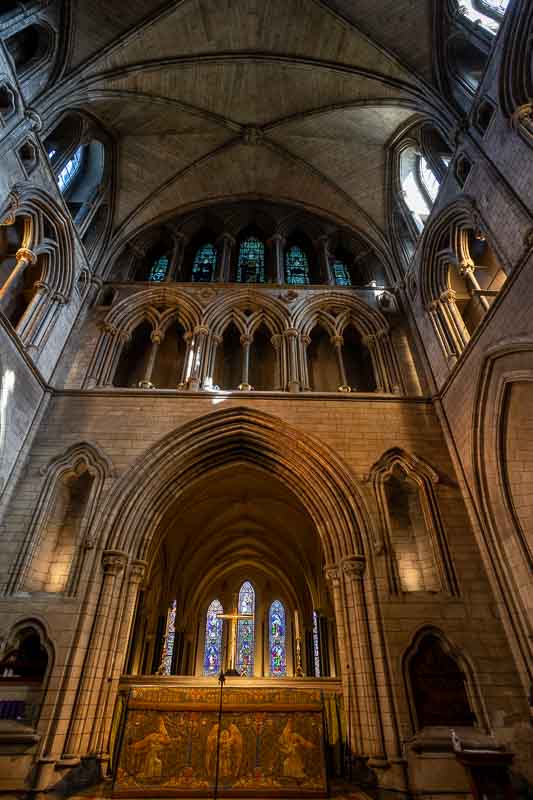
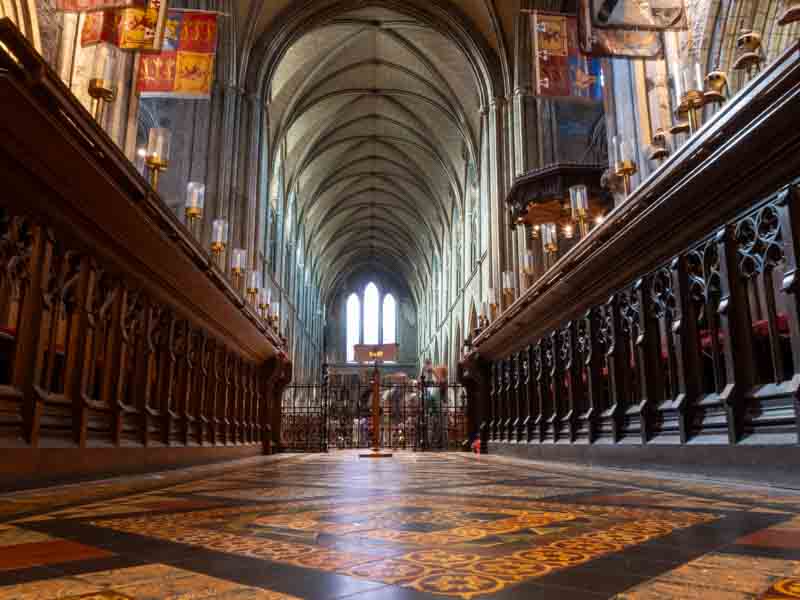
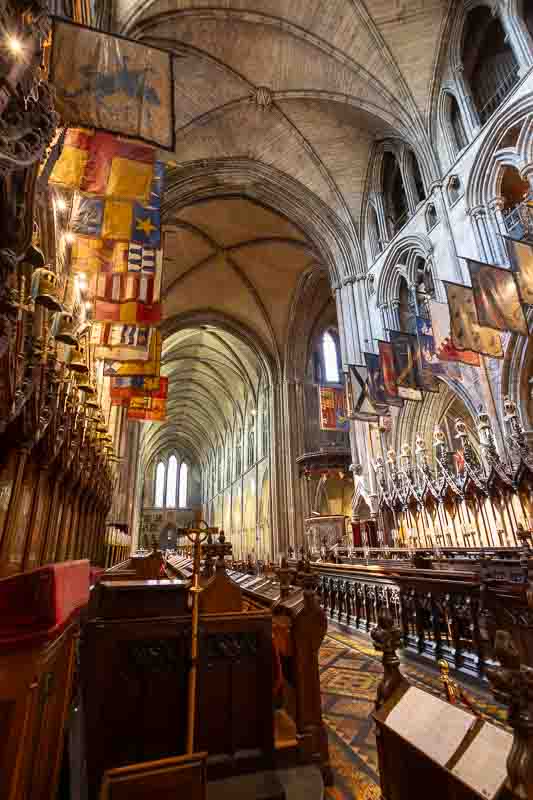
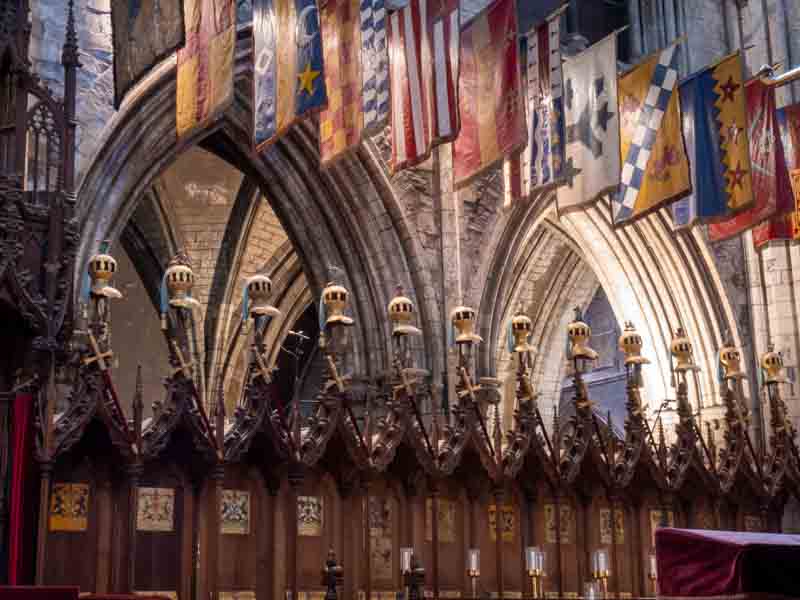
From here we continued onto St Partick’s Cathedral for some photo opportunities although we had great difficulty avoiding the crowds of people.
What crowds you may ask – I used my compact Sony DSC-HX99 with small Joby tripod and took long exposures which ‘ghosted’ the people away. After this we headed back along the Temple Bar.
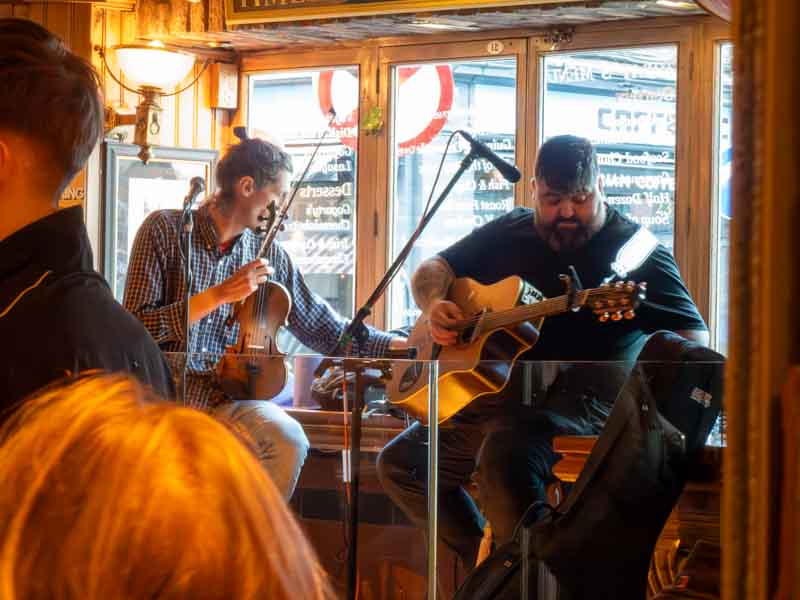
We ended up back in ‘The Oliver St John Gogarty’ bar. It was quite busy when we arrived but luckily we managed to share a table with two lads who left shortly afterwards.
The atmosphere was absolutely terrific so we decided to stay there for a while listening to the music and later eating. Excellent steak and fish + chips with a few pints to wash it down.
This bar was now almost empty in comparison to when we arrived and later in the evening.
The evening was looking good for a clear sky, so we quickly headed back to the hotel to collect our main camera gear and tripod (as I was using my very compact Sony).
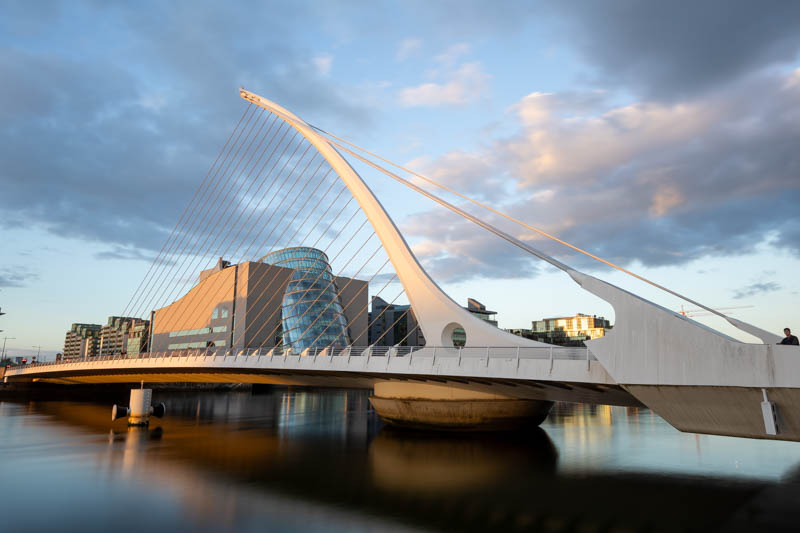
We wandered along the banks of the Liffey towards the ‘Samuel Beckett Bridge’ and waited for the sun to lower in the sky.
We had hoped the clouds would have caught the light of the sun a little more, but we were pleased with the shots we took.
This was our second city break in 2024 but this time we challenged ourselves with two cities in the one trip. We had booked 2 nights in Belfast and 3 in Dublin although this really only gave us one whole day in Belfast. The main purpose for the trip to Belfast was to visit the Titanic museum. The city was of secondary importance as we admit we were still apprehensive about visiting the ‘troubled areas’. But we now have absolutely no reservations and so, one day, when we return to Ireland in the motorhome we will also return to Belfast to ‘do the city justice’.
We’d had our grand children for a few days and dropped them back home, then our son took us to Eastleigh airport for a late evening flight on the Tuesday the 10th. We thought we’d try getting an Uber taxi from the Belfast airport, but were very disappointed as we failed to get a booking. We later discovered from another taxi firm that Uber doesn’t tend to get out of the city to the airport. FonaCAB’s service however was great, so we would recommend this company if you find yourselves in the same situation.
Wednesday 11th September
We were staying in the Premier Inn (Titanic Quarter) and after a filling breakfast we walked 8 minutes to the Titanic Museum in glorious sunshine.
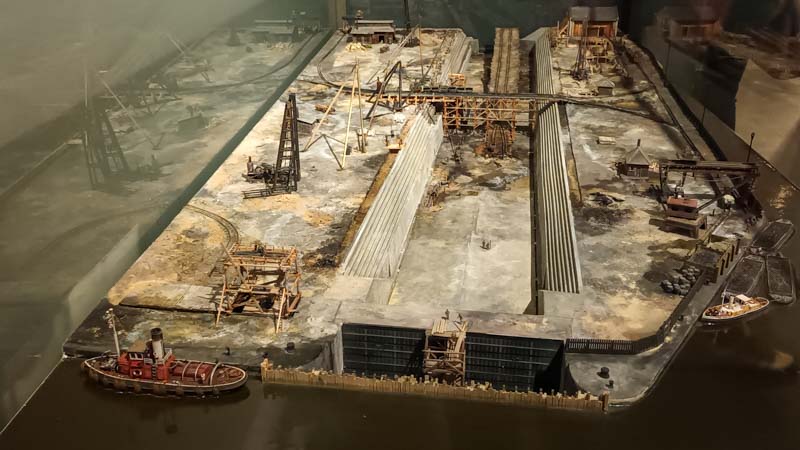
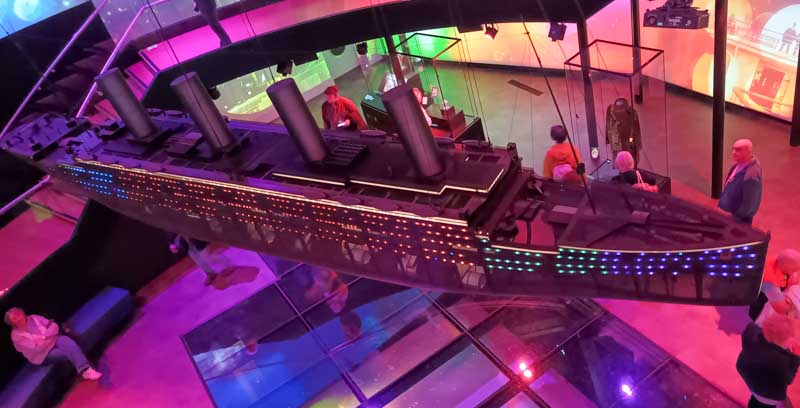
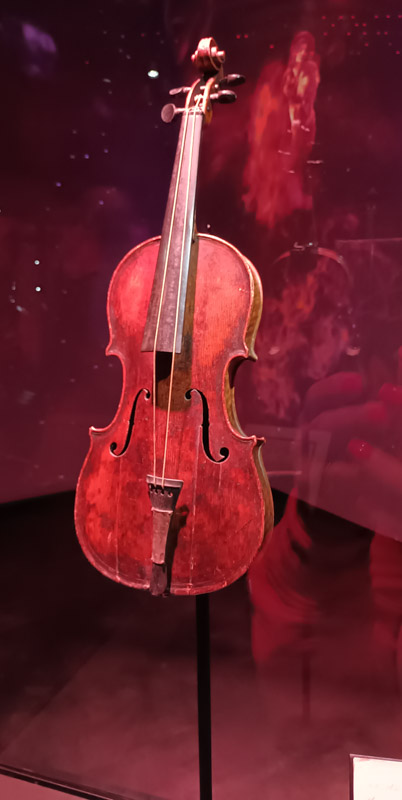
The museum is situated at the end of the construction site they used for the Titanic and it provides a detailed explanation of the company and the important staff as well as details of the other unfortunate people who made that fateful voyage. Titanic’s construction was explained with video evidence and audio description as well as text.
We spent over 2 hours in the museum which continues from building, launch, maiden voyage, sinking, passenger list and finally the finding of the Titanic in the vast depths of the ocean. Highly recommended.
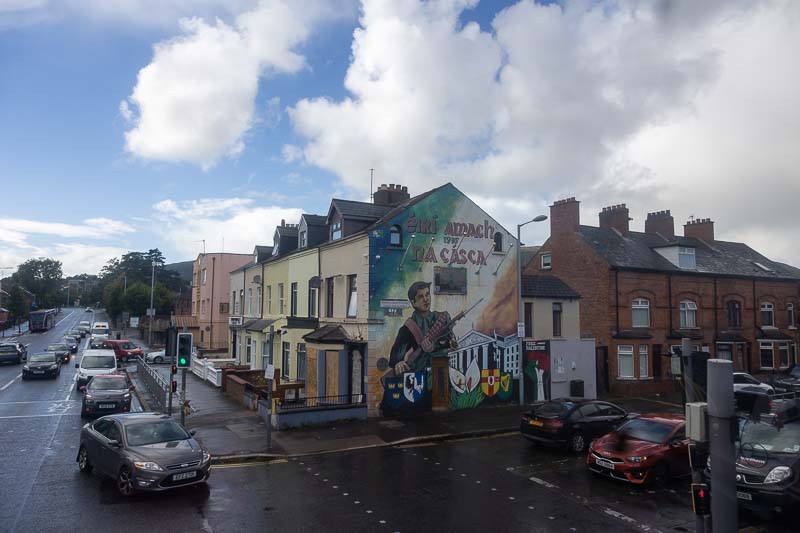
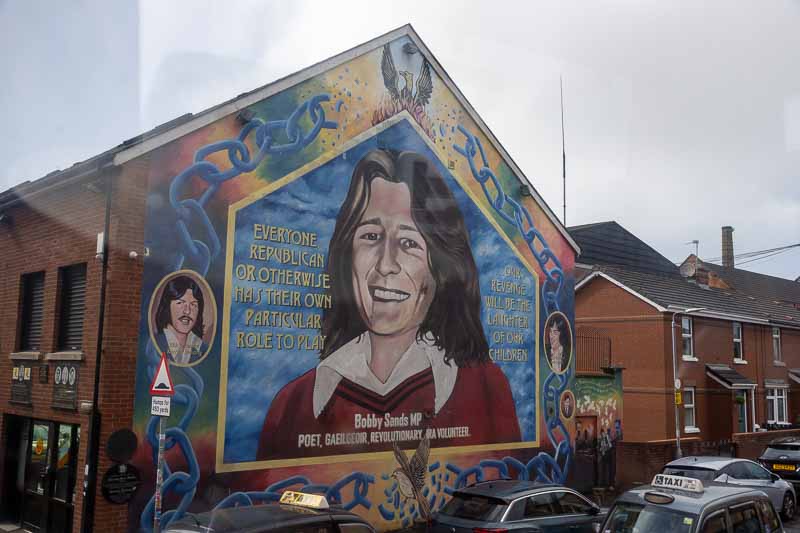
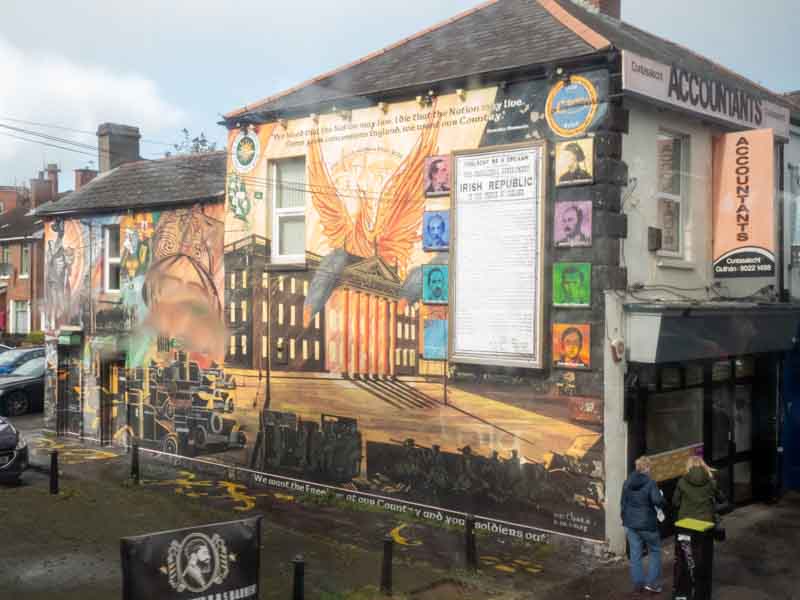
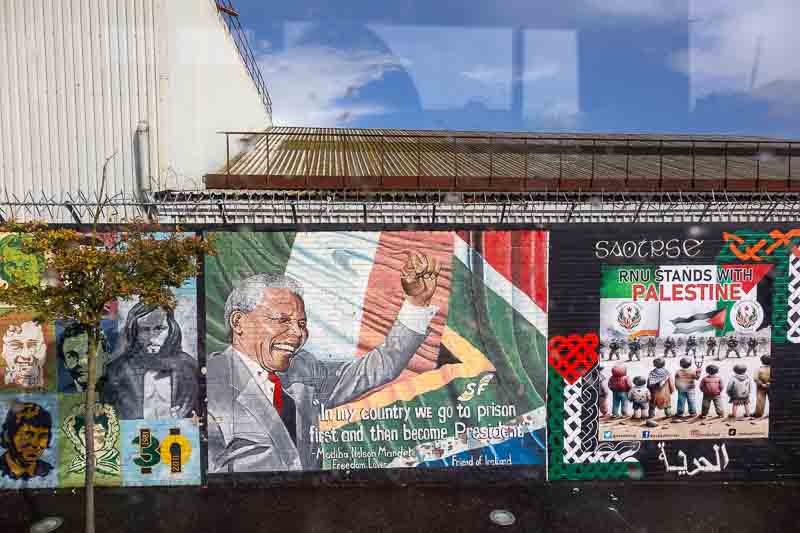
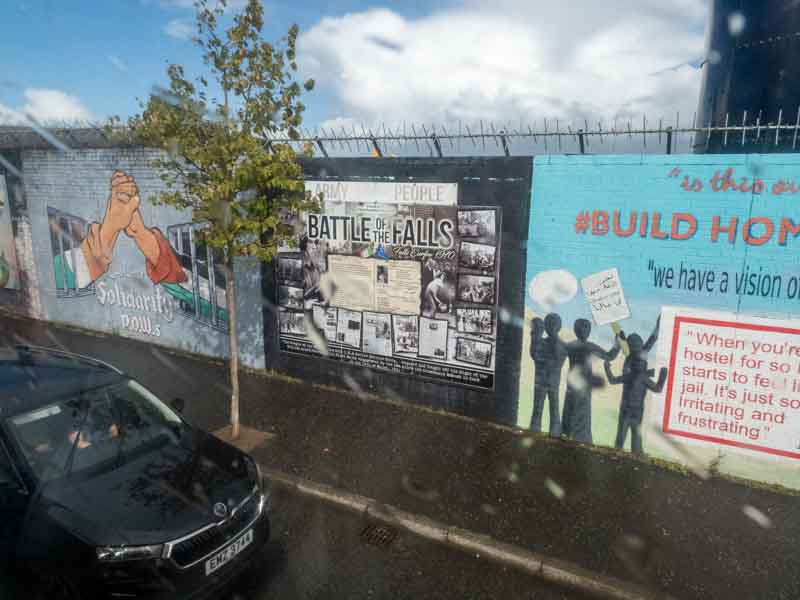
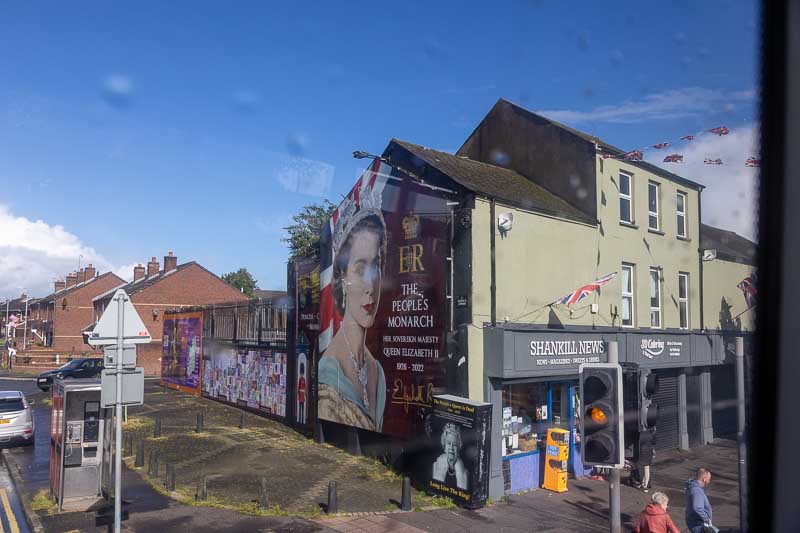
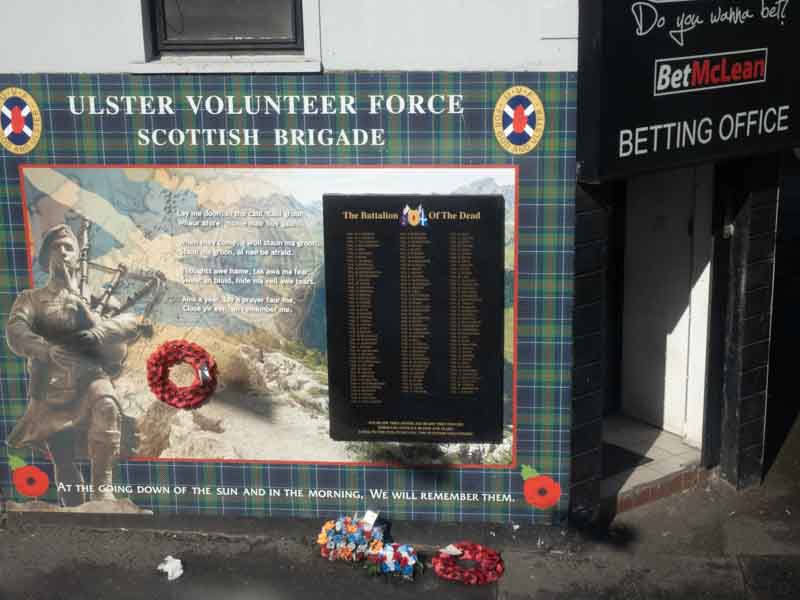
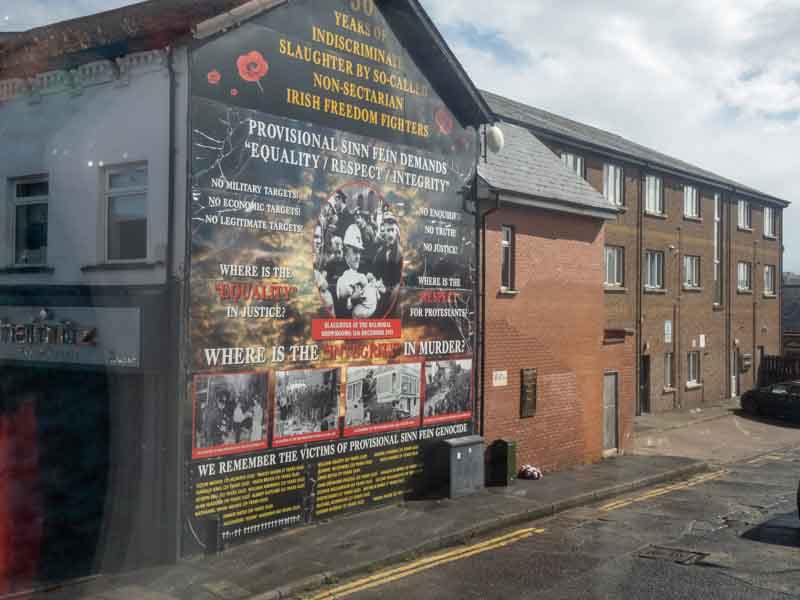
We then took the customary tourist trip on the ‘Hop-on, Hop-off’ bus which for the next few hours would cover the city including the ‘troubled regions’. The driver was absolutely brilliant – full of knowledge and very amusing, unfortunately this meant we didn’t leave the bus until the end of the trip.
The trip covers the City, ‘Falls Road’, ‘Shankhill Road’ and the ‘Crumlin Road’. The following slideshow of images covers the ‘outside city’ portion of the journey…
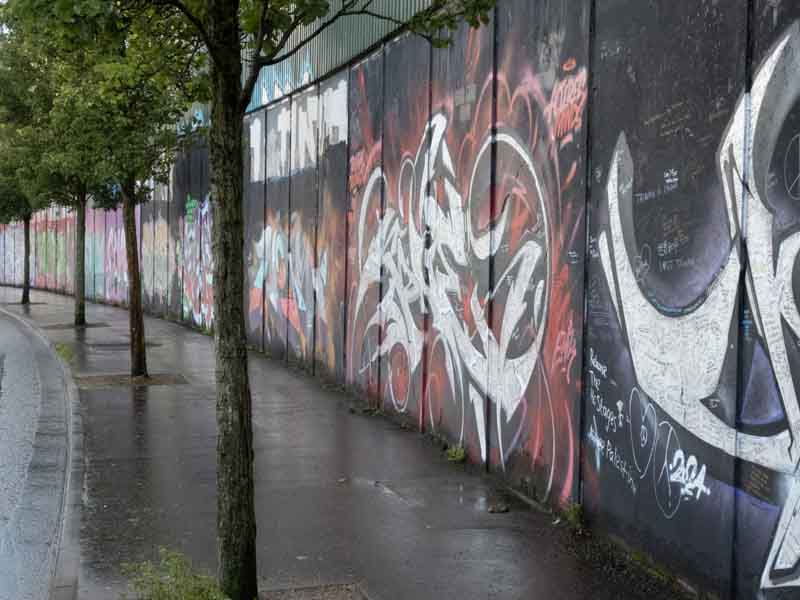
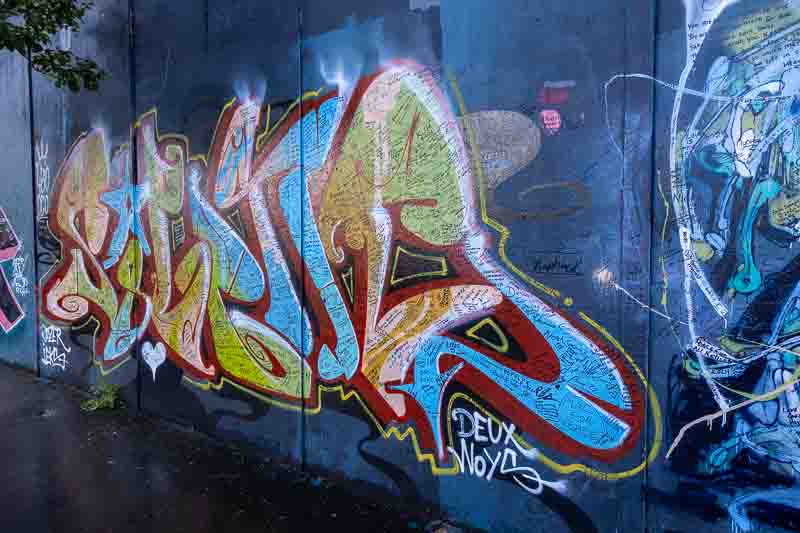
Between the ‘Falls Road’ and the ‘Shankhill Road’ we traveled along Cupar Way and as we were ahead of schedule the driver stopped and let us off the bus for 5 minutes to sign the ‘Peace Wall’. This wall stands 45-feet tall, three times higher than the Berlin Wall, and in place for twice as long. The driver said it probably won’t be removed now as it has become a tourist attraction….
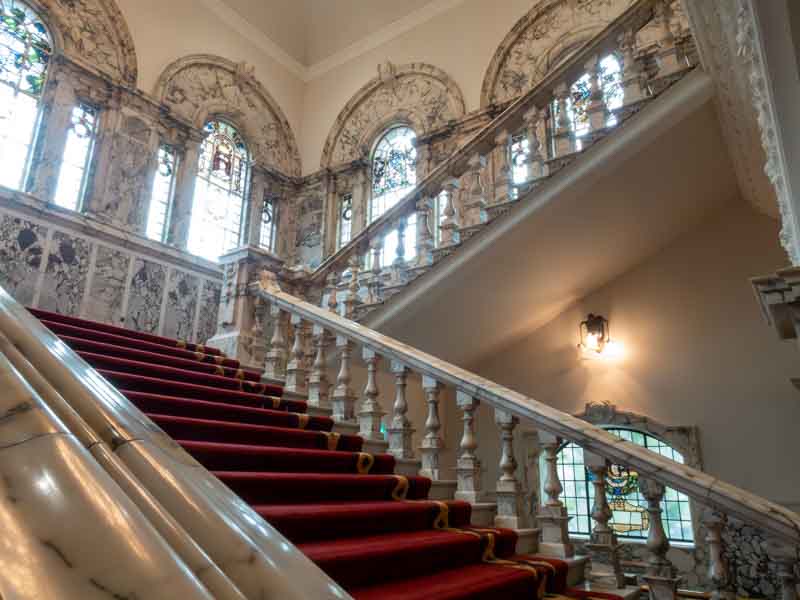
Back into the city where we left the bus to cover the rest on foot. First stop the City Hall
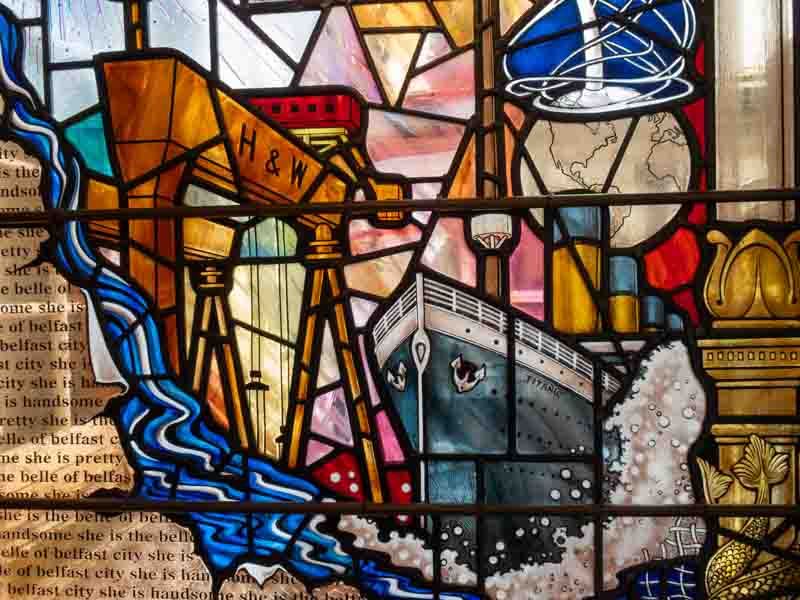
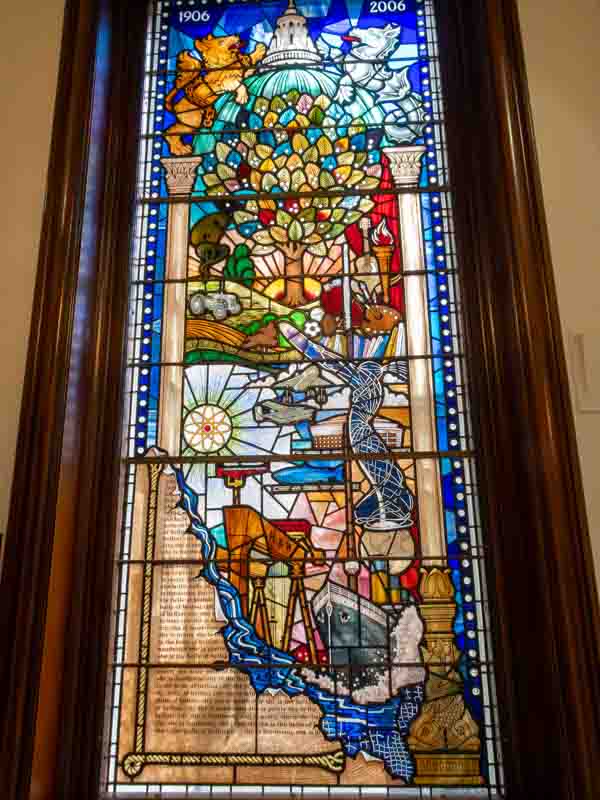
There wasn’t a charge to walk around inside to view the decor and stained glass windows.
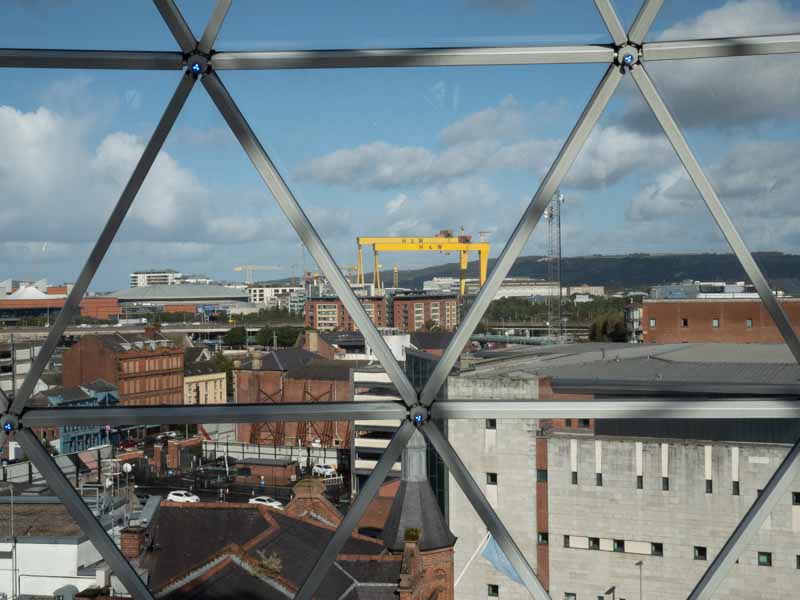
Then onto the Victoria Square Shopping Centre to take in a view over the city.
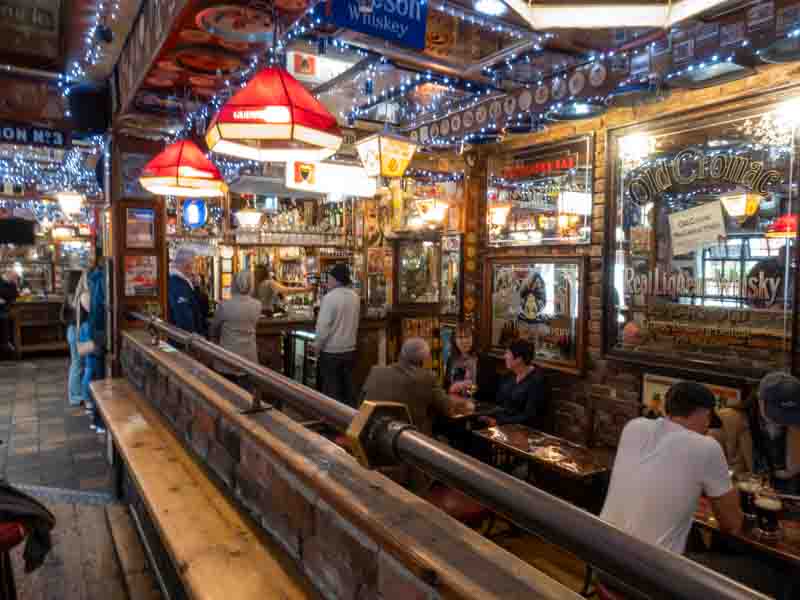
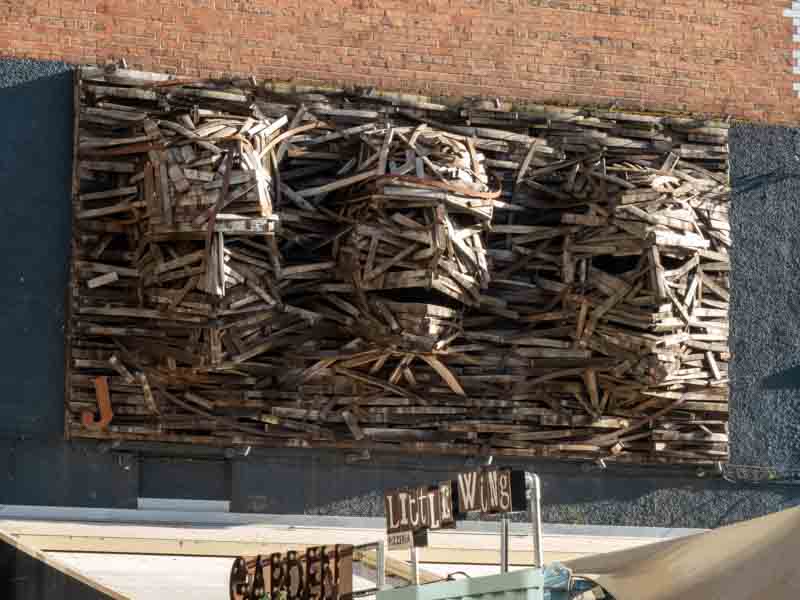
From the viewing platform you can see the unmistakable yellow gantries – Samson and Delilah. After this it was time for a pint – which of course had to be Guinness, so we wandered around a few more streets admiring the street art to find a suitable pub.
The sun would be setting soon so we headed off for something to eat. This time we felt we hadn’t seen anything warranting another ‘sunset’ photo, but also the Hop-on, Hop-off bus finished at 16:30, so no chance to get free transport to other locations.
Before we finish with Belfast, we did think that it deserved more than 2 nights with the extra day visiting either more of the city (e.g. Botanical Garden) or perhaps taking a day trip out to the Giant’s Causeway and other sights.
For us though, we’d had a very good day and tomorrow we would leave on the train for Dublin.




























 Bateson's Travel log